Organismal Systems Biology
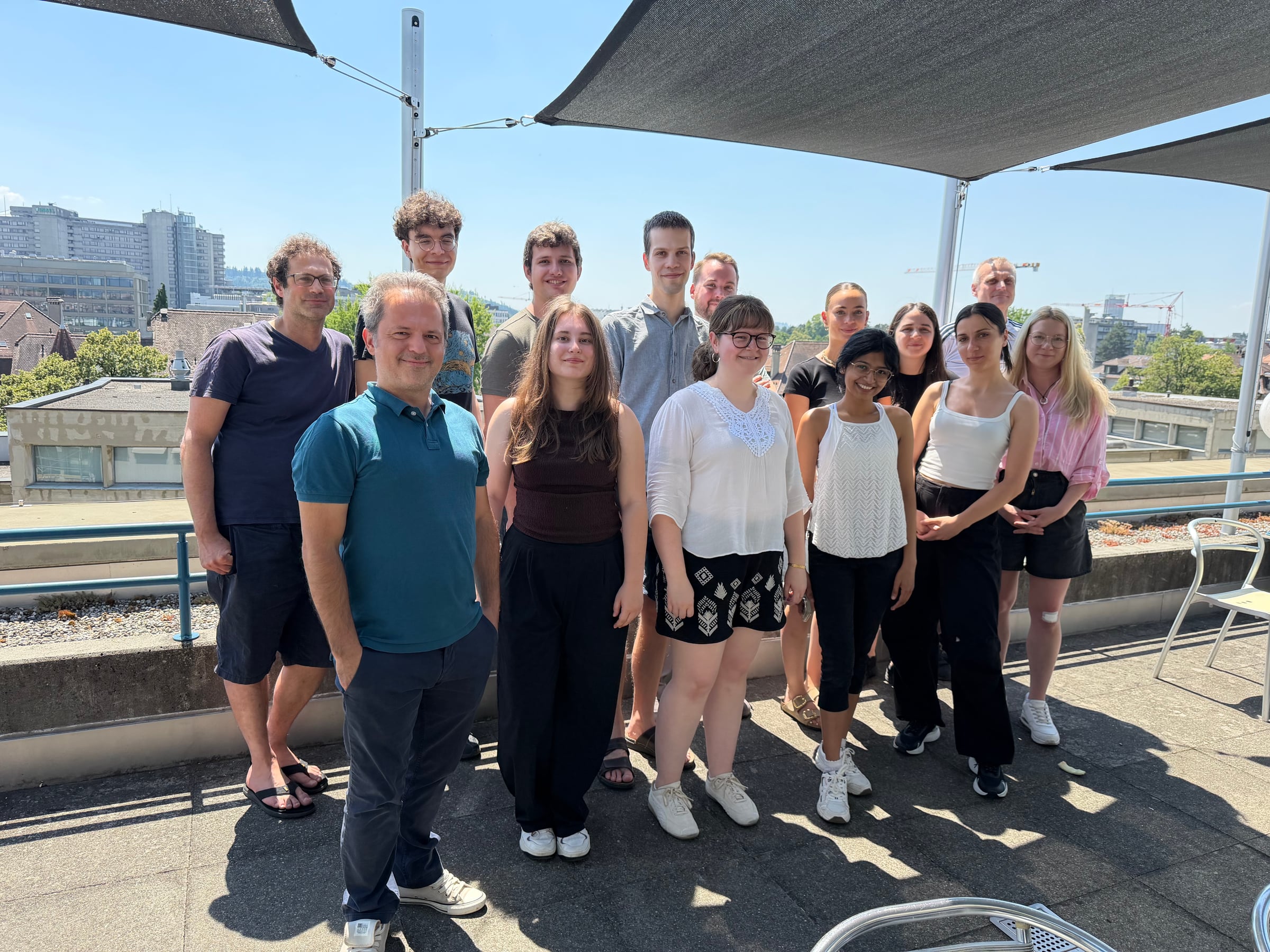
Team


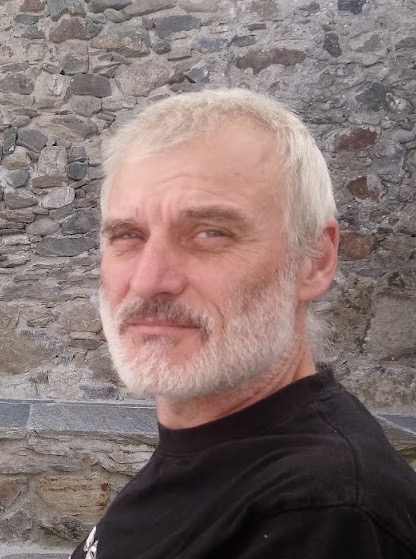
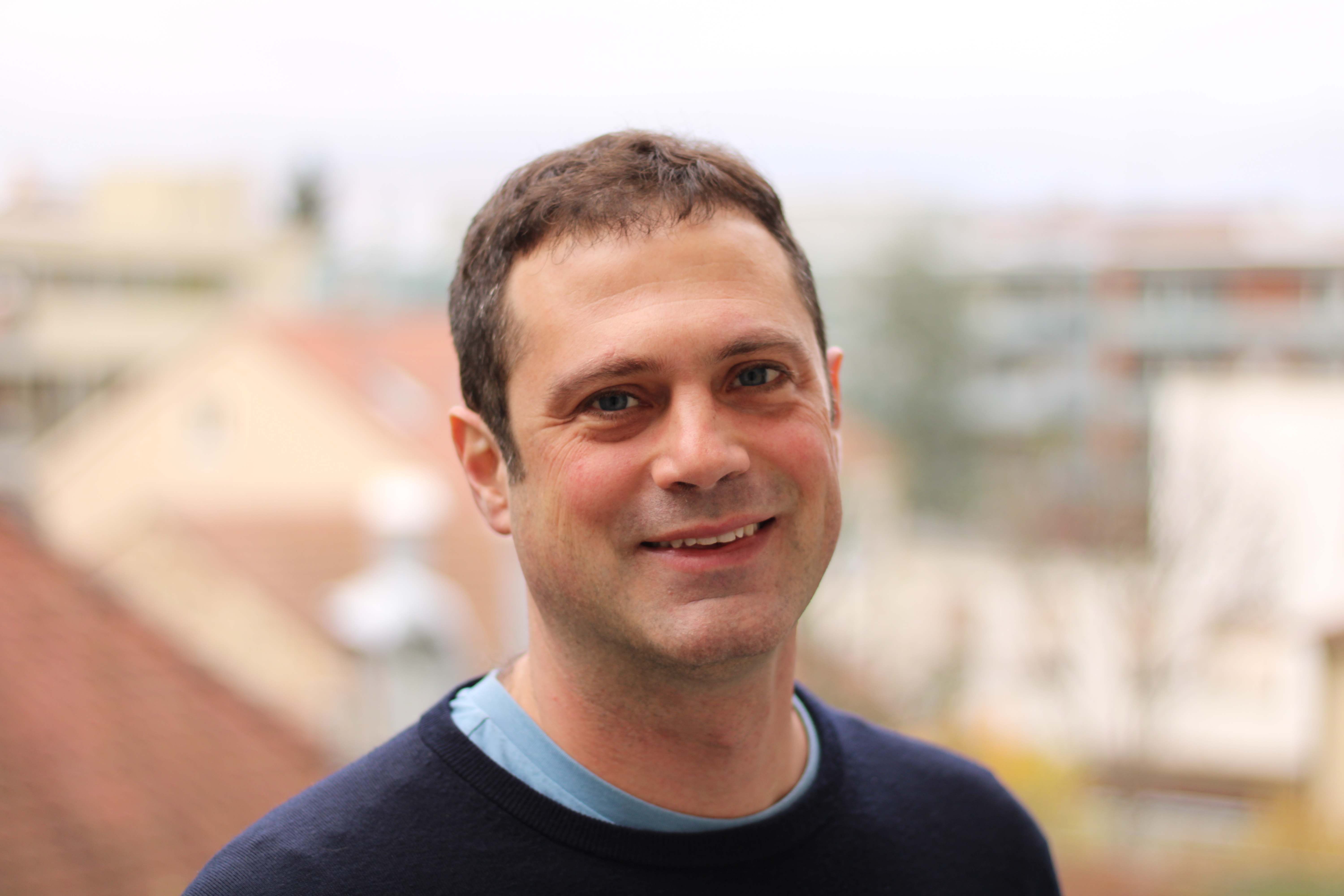
Benjamin Towbin, PhD
Principal investigator
Benjamin carried out a PhD in Genetics with Prof. Susan Gasser at the FMI in Switzerland, where he studied epigenetic mechanisms of gene control using C. elegans. As a postdoc, he joined the group of Prof. Uri Alon at the Weizmann Institute in Israel, studying optimality principles in bacterial growth control. Since November 2019, he has been an SNSF Eccellenza Professor at the University of Bern. In his lab, he applies quantitative systems biology approaches to study optimality principles at a multi-cellular scale using C. elegans.
​

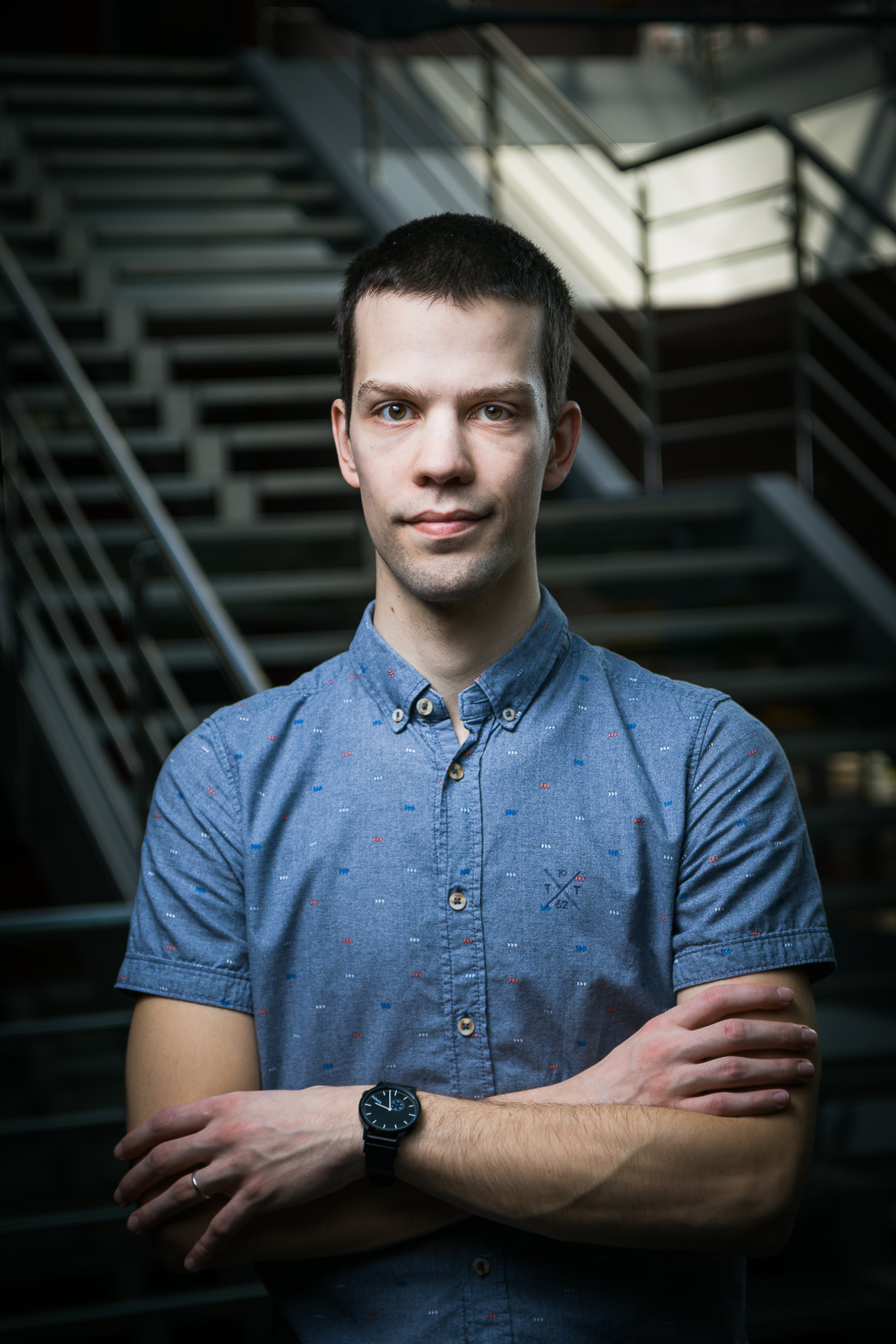
Klement Stojanovski, PhD
Lab manager
During his PhD, Klement studied prion formation, using S. cerevisiae. He continued working with yeast as a postdoc studying a kinase signalling pathway, before switching to mammalian cell cultures to study drug targets in the endocannabinoid system. In our group, he studies body size homeostasis and makes sure that everything runs smoothly in the lab.

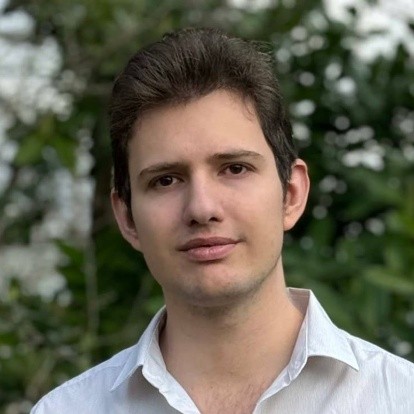
Dirk Beuchle
Lab manager
Dirk has joined us in 2023 after being trained as a Drosophila geneticist in the laboratory of Prof. Beat Suter. We are fortunate that his golden hands can inject worms and flies alike. In his free time he explores the world by bike.

Peter Lenart, PhD
SNSF Swiss Postdoctoral fellow (MSCA replacement)
During his PhD, Peter developed his primary expertise in theoretical and computational biology, focusing mainly on the evolution of aging. He also acquired a rich experience in interdisciplinary research that ultimately led him to the decision to return to lab work so he could experimentally test his theoretical concepts. In our group, Peter studies the information contained in the developmental trajectories of individual C. elegans and asks various evolutionary questions along the way.

Nathan Schoonjans
PhD student
Nathan obtained his PhD at the University of Lille (France), where he contributed to the development of a neurobiohybrid system as part of a larger project aiming to design a fully implantable neuromodulator for Parkinson’s disease. Driven by a strong interest in interdisciplinary research that bridges biology and engineering, he now studies organ size scaling in C. elegans. Using a combination of molecular biology, genetics, live imaging, and electrophysiological approaches, his work focuses on understanding how external cues are integrated by cells for regulating their individual growth rate to achieve coordinated organ development.

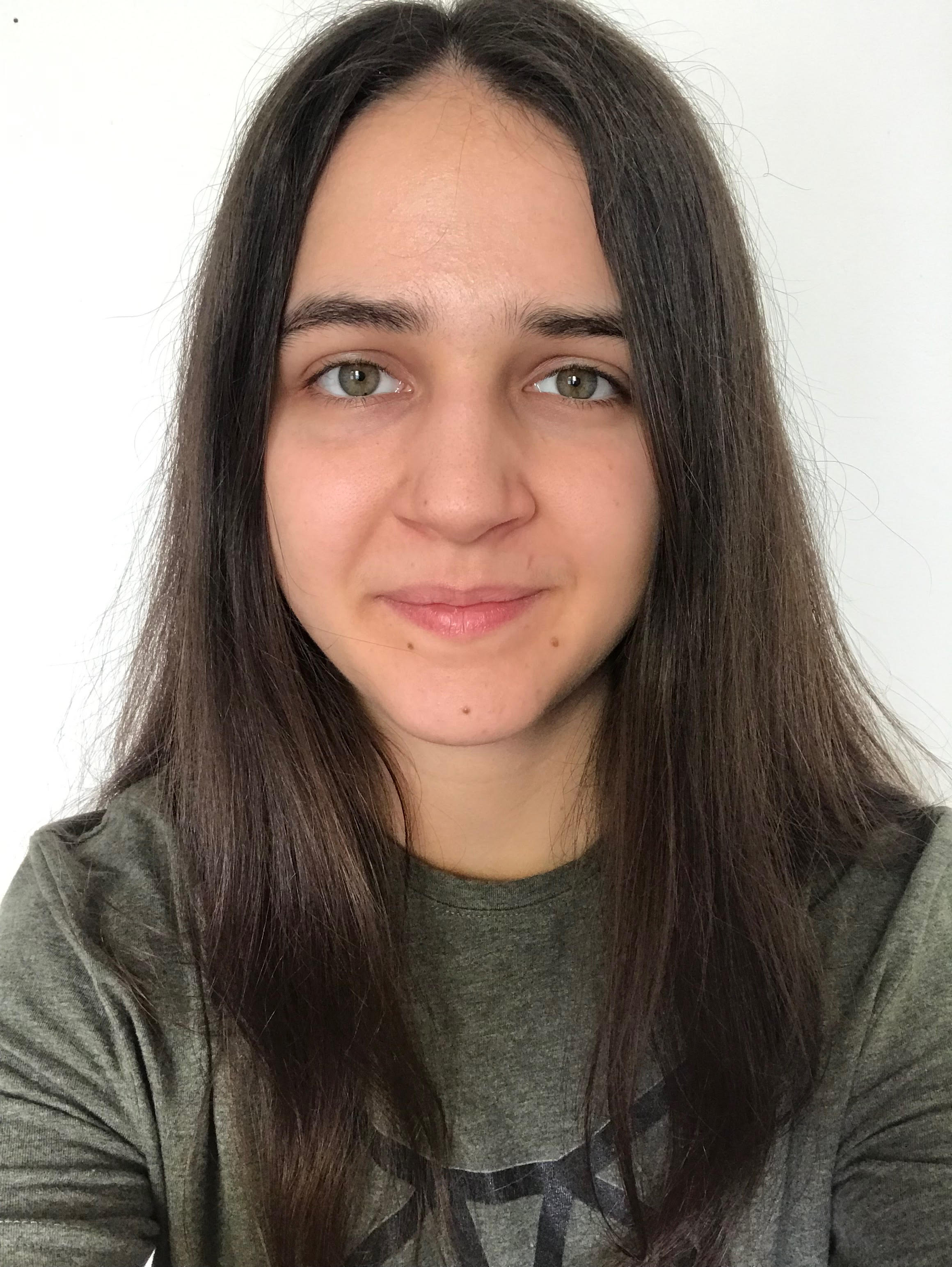
Anna Slesarchuk
PhD student
​Anna is a Russian MSc graduate in chemistry with a deep fascination for life's molecular intricacies. A thought-provoking idea—‘In the beginning was the word, and the word was RNA’—sparked her transition from bioorganic chemistry to molecular biology. Now, as a PhD researcher, she explores the mechanisms of gene regulation in organ growth and development, aiming to uncover fundamental principles that shape life at the molecular level.

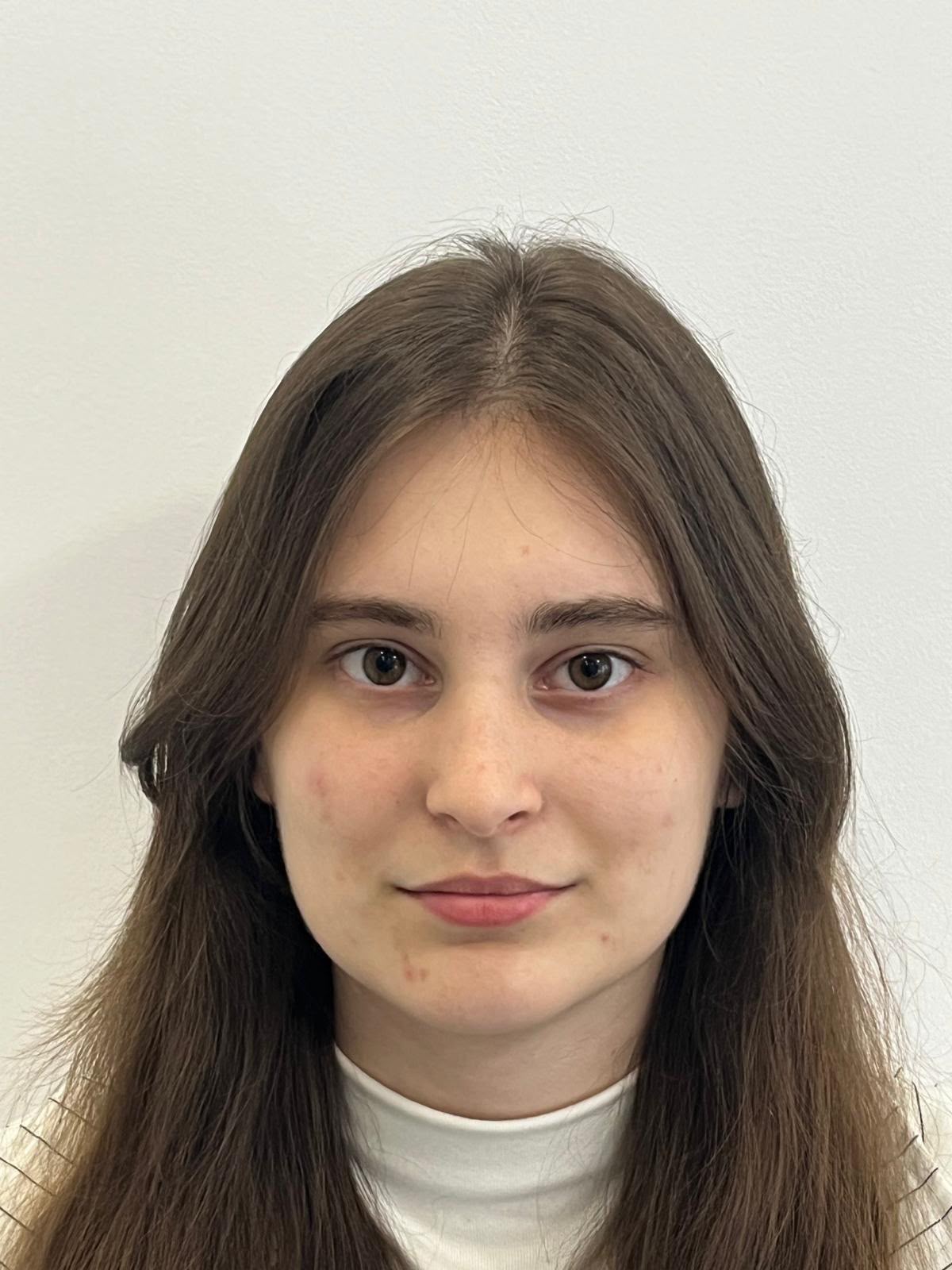
Ioana Gheorghe
PhD student
Born in Romania, Ioana obtained her Bachelor of Science in Molecular Life Sciences from Radboud University in the Netherlands, where she worked with S. lycopersicum plants on reproductive heat tolerance. She chose to continue her studies in Molecular Life Sciences at Bern University, focusing on the coordination of tissue growth during C. elegans development in her MSc thesis and stayed for PhD.

Sacha Psalmon
PhD student
Born in France, Sacha studied engineering at the Polytech Nice-Sophia engineering school. Specialized in Applied Mathematics and Modelling, he is developing new image analysis pipelines using neural networks, and analysing mathematical models on the evolution of ageing.

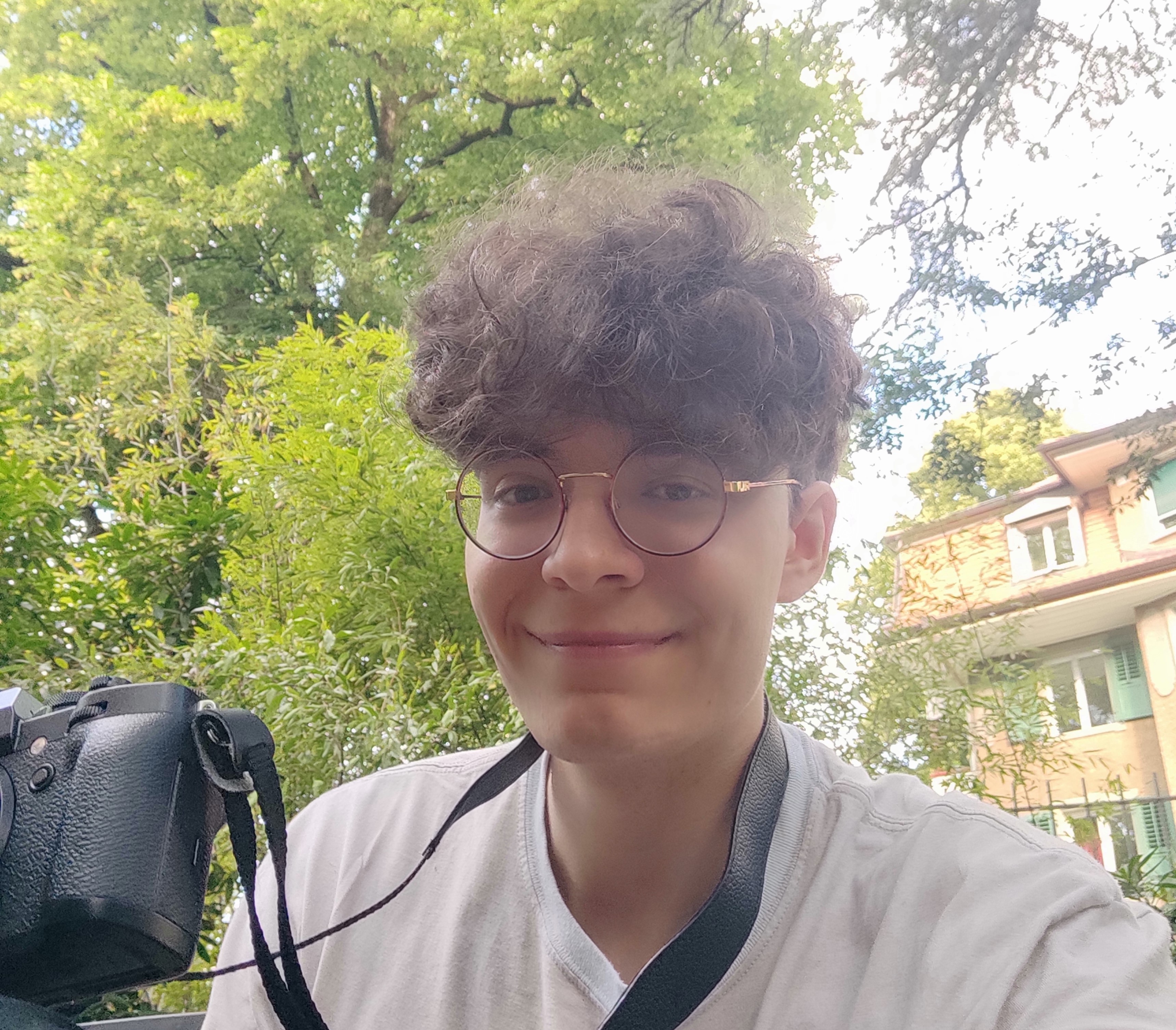
Ferdinand Dellemann
PhD student
Ferdinand studied biology at the University of Innsbruck and the Technical University of Munich, focusing on cell biology, zoology and biomedicine. Wanting to focus on basic research in an interdisciplinary environment, he joined the organismal systems biology lab. During his PhD, he is studying starvation responses in C. elegans, with an emphasis on an evolutionary tradeoff between growth and survival.

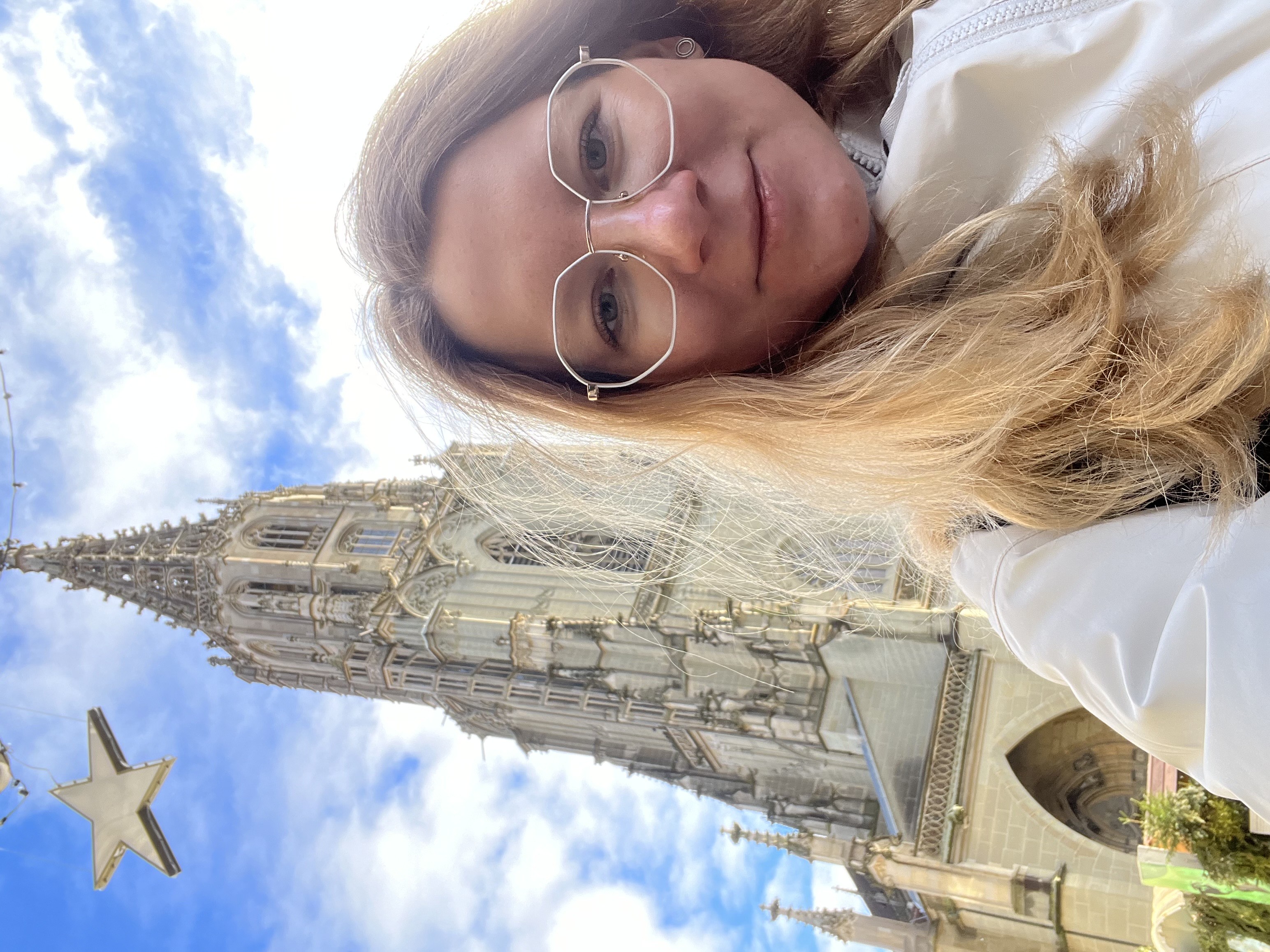
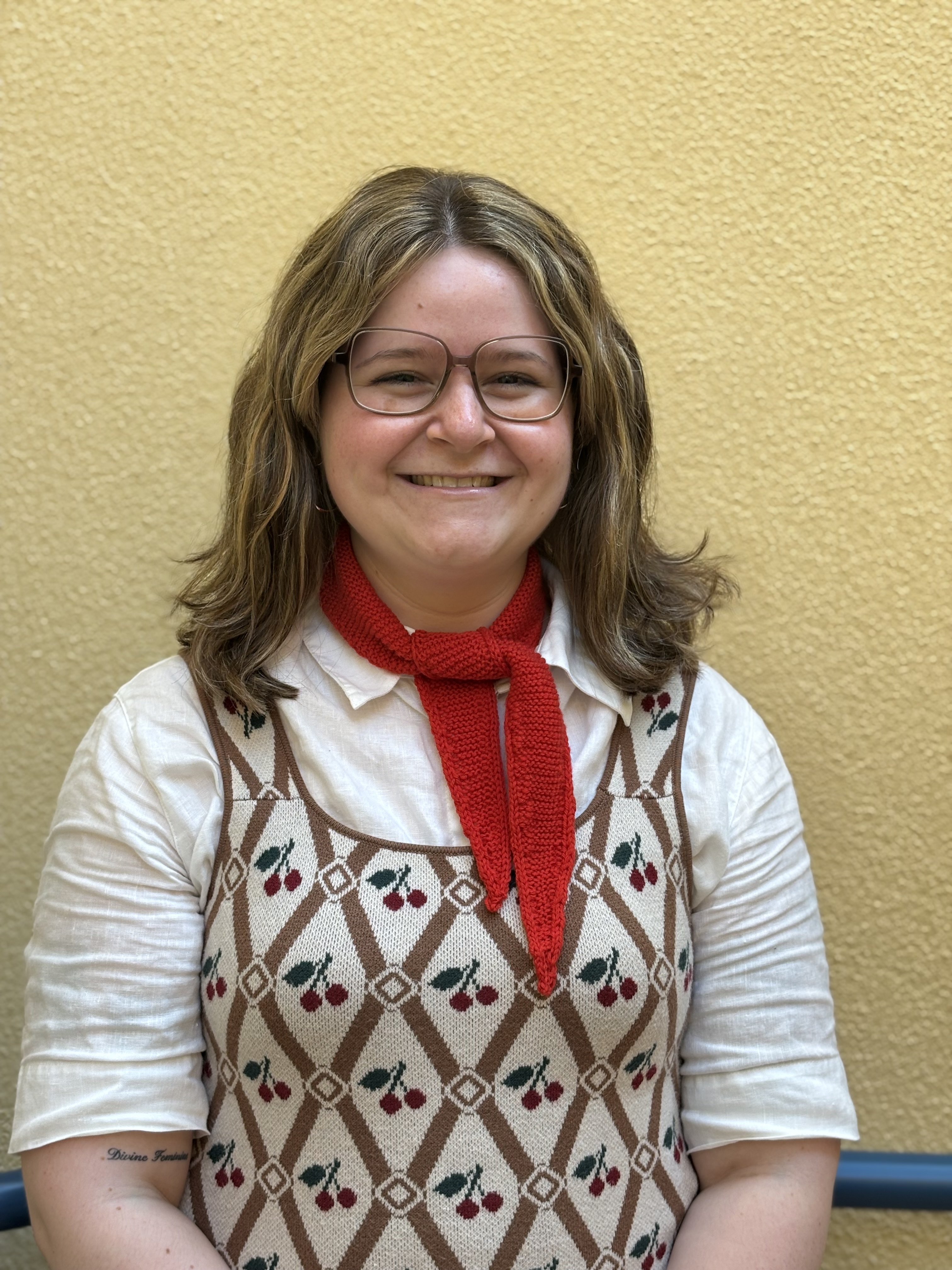
Anna Graf
MSc student
Anna completed her Bachelor in Biology at the University of Bern studying organ growth coordination in C. elegans, and decided to stay for her Master in Molecular Life Sciences. Outside of her research, she is an active member of the university choir, where she also helps organize concerts. In her free time, she enjoys knitting as a creative hobby.